
Turbine Oil Testing — Protecting Rotating Assets & Maximising Reliability
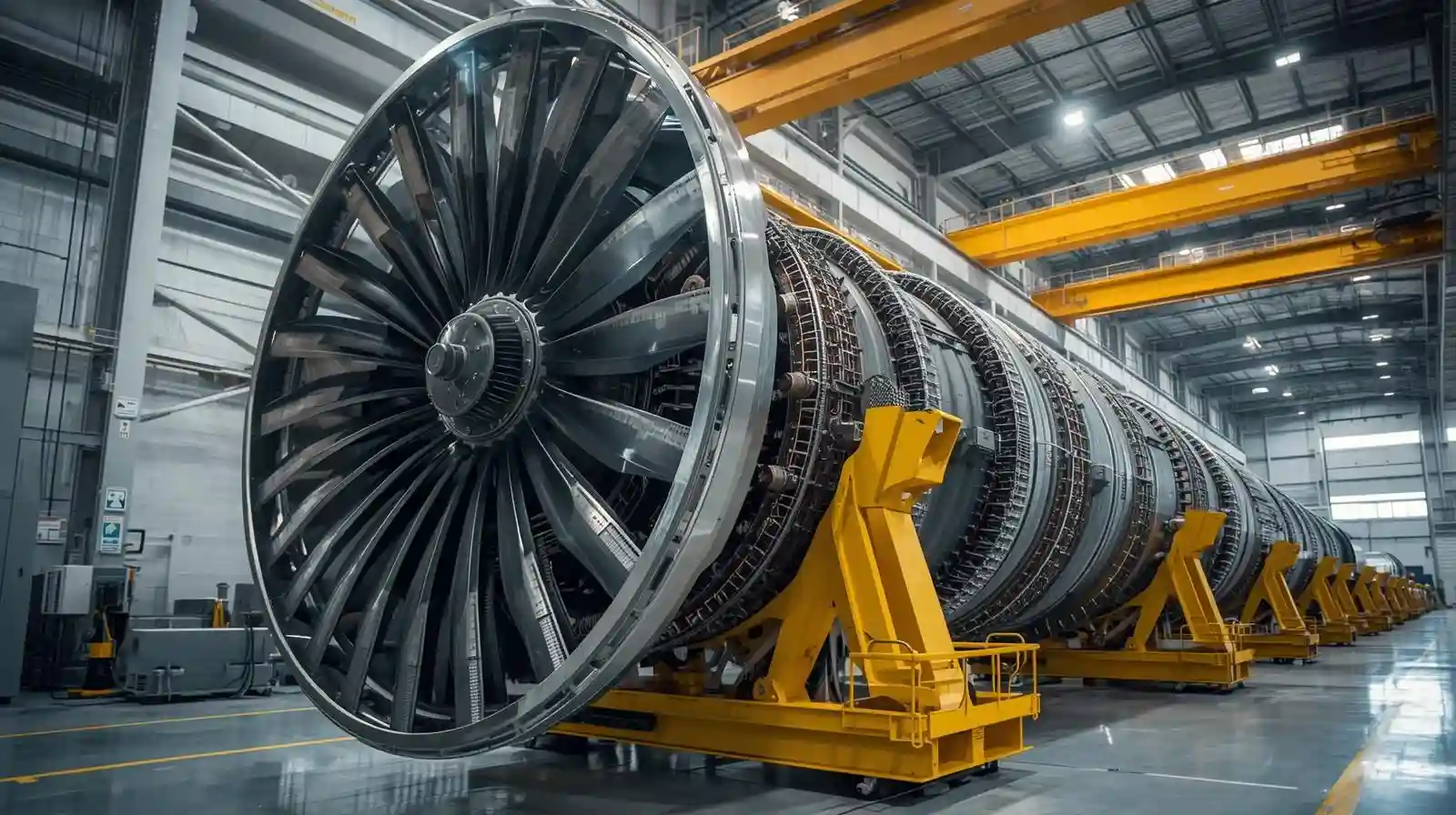
Turbine oil testing (steam, gas, and hydraulic-turbine lubricants) are critical for bearing life, gearbox performance and system reliability. AGT Labs provides a condition-monitoring portfolio to detect oxidation, contamination, additive depletion and wear metals — enabling predictive maintenance and reduced downtime.
We support power stations, industrial plants, marine operators and aero engine maintenance with ISO/ASTM-aligned testing and technical interpretation to inform change-out, filtration and remediation decisions.
Who benefits: power utilities, turbine OEMs, maintenance providers, marine operators, and reliability engineers.

Service Highlights
- Residue, gum content and nonvolatile matter checks to evaluate deposit-forming tendencies.
- Corrosion screening through copper strip testing to assess additive performance and system protection..
- Hydrocarbon composition and sulfur compound profiling for formulation verification and contamination detection.
Industries We Serve
- Power Generation — steam and gas turbines (utility and independent power producers).
- Industrial Rotating Equipment — compressors, gearboxes and turbines in process plants.
- Marine & Offshore — turbine-driven systems and turbine-generator sets.
- Aerospace MRO — specialty turbine lubricants and accessory systems.
Laboratory Capabilities & Instrumentation
Core Analytical Tools
Color grading, copper strip corrosion, carbon residue, nonvolatile matter, refractive index, conductivity, sulfur compounds, hydrocarbon composition, DHA and gum content.
Condition Monitoring & Quality Indicators
- Checks for clarity, corrosivity, deposit tendency and compositional balance.
- Root-cause interpretation and maintenance recommendations.
- Concise, method-referenced results with practical acceptance notes.
Sampling, Handling & Chain of Custody
Representative sampling (bore, drain, or in-service ports) and prompt shipment are essential to avoid false oxidation or contamination artifacts.
Best Practices
- Use recommended sample points (e.g., bearing housings, gearbox outlets), flush sampling lines if appropriate.
- Collect in clean metal/amber glass vials; avoid headspace for volatile-sensitive tests.
- Record operating conditions (temperature, run-hours, recent maintenance) with each sample.
Sample Volumes & Retention
- Typical routine sample 100–200 mL; larger volumes for RPVOT or retained archive.
- Retain a reference sample for dispute resolution or re-analysis.
Quality Assurance, Reporting & Interpretation
Reports include numeric results, trend charts (if available), alert flags against user thresholds, and clear maintenance recommendations — e.g., filtration, dehydration, additive top-up, or immediate change-out.
Standards & Accreditation
Turbine oil testing Methods follow ASTM, ISO and industry-standard practices (e.g., ASTM D6045, D1218 , D130 , D2163 , D2624). AGT Labs provides ISO/IEC 17025-aligned reporting and documented QA/QC traceability.
FAQs — Turbine Oil Testing
How often should I sample turbine oil?
What indicates imminent failure?
Do you offer trend dashboards?
Deliverables & Value-Added Services
- COA with interpretation and recommended actions (filtration, dehydration, additive top-up, schedule change-out).
- Trend reports, historical comparisons and alert-level flagging.
- On-site sampling, SOP creation and technician training.
Summary
AGT Labs’ Turbine Oil Testing gives maintenance teams the data to make informed decisions — reducing unplanned downtime, extending component life, and optimising lubricant use.