
Technical Portfolio
Proactive Condition Monitoring & Tribology
AGT Labs provides professional Engine Oil Testing Services to extend equipment life and optimize maintenance schedules. Our Houston-based laboratory specializes in comprehensive Used Oil Analysis (UOA), detecting early signs of wear, contamination, and additive depletion in diesel, natural gas, and gasoline engines.
Our Engine Oil Testing Services support fleet managers, industrial plants, and marine operators with accredited technical data. By monitoring critical parameters like viscosity, base number (TBN), and wear metals, we help you identify component failures before they occur, reducing unscheduled downtime and repair costs.
Accredited Fluid Analysis Highlights
- Kinematic Viscosity @ 40°C & 100°C (ASTM D445)
- Wear Metals Analysis by ICP (ASTM D5185)
- Total Base Number (TBN) Retention (ASTM D2896)
- Water Contamination by Karl Fischer (ASTM D6304)
- Fuel Dilution & Soot Content
- Oxidation & Nitration Levels (FTIR)
- Coolant Leak Detection (Glycol)
- Particle Count & Cleanliness (ISO 4406)
Key Technical Parameters for Lubricant Analysis
Accredited analysis supporting our lubricant condition monitoring suite for preventative maintenance.
Kin. Viscosity
ASTM D445Wear Metals
ASTM D5185Total Base No.
ASTM D2896Water Content
ASTM D6304Fuel Dilution
ASTM D3524Soot Content
FTIR MethodOxidation
ASTM E2412Nitration
ASTM E2412Glycol/Coolant
ASTM D2982Total Acid No.
ASTM D664Flash Point
ASTM D92Insolubles
ASTM D893Industries We Serve
Providing specialized condition monitoring data across transport and industrial sectors utilizing our accredited lubricant analysis services.
Trucking Fleets
Optimizing oil drain intervals and detecting engine wear in heavy-duty diesel (Tier 4) trucks to reduce maintenance costs.
Construction & Mining
Monitoring off-road equipment for dust ingress (silicon) and excessive wear in harsh operating environments.
Marine & Offshore
Ensuring vessel engine reliability by tracking fuel dilution and base number retention in marine lubricants.
Power Generation
Validating oil condition in stationary natural gas and diesel generators to ensure backup power readiness.
Industrial Manufacturing
Preventative maintenance analysis for plant compressors, pumps, and gearboxes to avoid production stoppages.
Rail Transport
High-volume locomotive engine oil analysis to track wear trends and schedule component overhauls.
Laboratory Capabilities
Analytical Systems
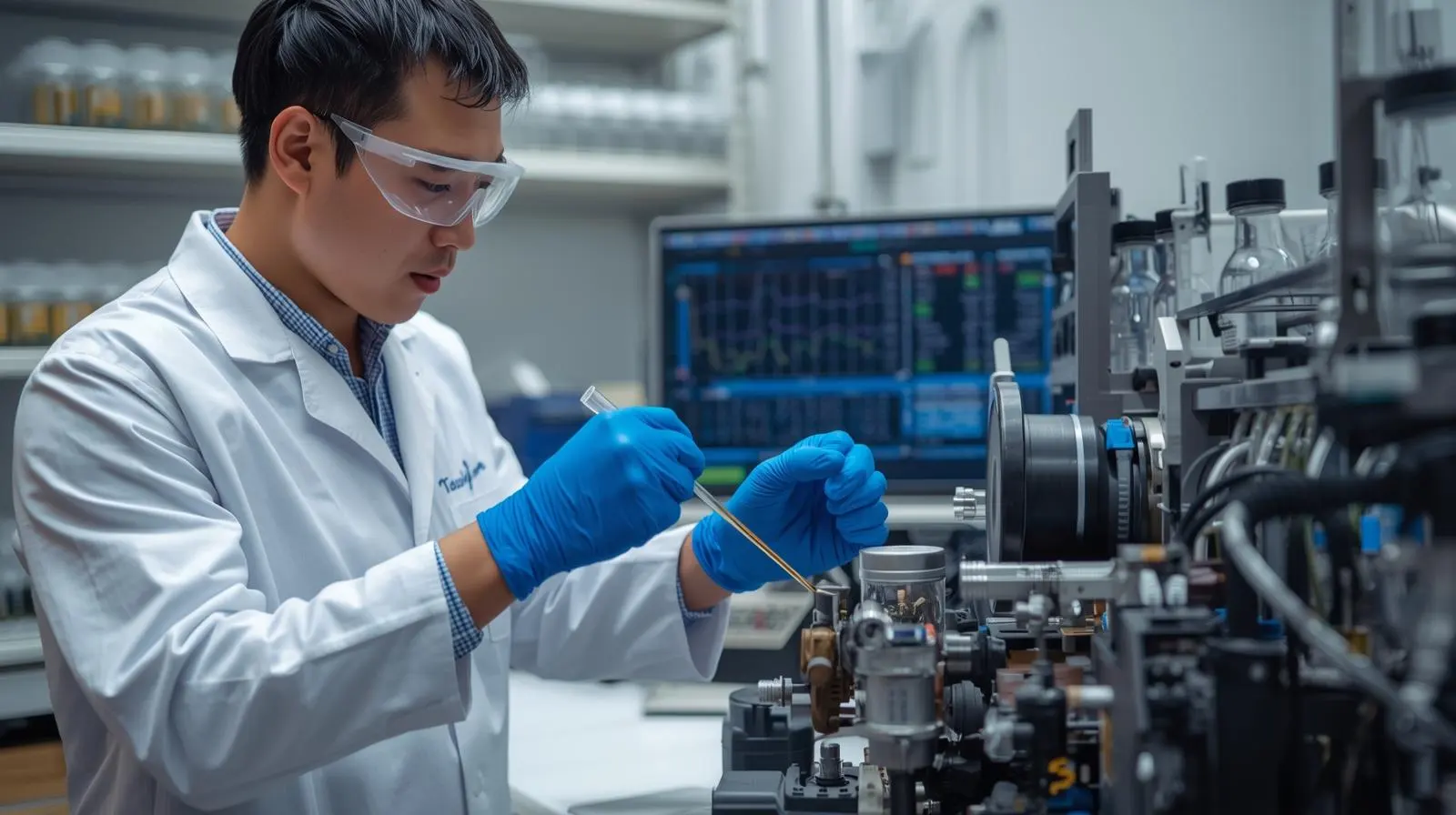
Our Engine Oil Testing Services utilize ICP-OES for simultaneous multi-element wear analysis, FTIR spectrometers for additive depletion tracking, and automated viscometers. We employ specialized methods for detecting fuel dilution and coolant leaks.
Advanced Technical Support
- ISO/IEC 17025 Accredited Laboratory Operations
- Trend Analysis & Historical Data Tracking
- Rapid 24-Hour Turnaround for Critical Samples
- Customized Alarm Limits for Specific Equipment
Sampling, Handling & Chain of Custody
Effective Engine Oil Testing Services require consistent sampling practices. We provide sampling pumps, tubing, and clean bottles to ensure your sample accurately reflects the condition of the lubricant in your machine.
Download Chain of Custody FormContainers & Handling
- Use clean, dry plastic bottles provided in our sampling kits.
- Sample from a live zone (e.g., after the pump, before the filter) while the engine is warm.
- Avoid sampling from the drain plug bottom to prevent sludge bias.
Transport & Logistics
- Label with Equipment ID, Hours on Oil, and Oil Brand/Grade.
- Ship immediately to our Houston lab for timely trend analysis.
- Consistent sampling intervals are key for effective condition monitoring.
Quality & Reporting
Reports from our Engine Oil Testing Services provide actionable maintenance recommendations based on data trends.
- Easy-to-read reports with traffic light status (Normal/Caution/Critical).
- Secure Online Access to historical data and trends.
- Expert interpretation from certified lubrication specialists.
- Integration with maintenance scheduling software.
Standards & Accreditation
AGT Labs is ISO/IEC 17025 accredited. We perform Engine Oil Testing Services strictly adhering to ASTM and ISO technical methodologies.
Ensuring equipment reliability through traceable technical data.
Frequently Asked Questions
Why track Total Base Number (TBN) in engine oil?
What do high Iron and Aluminum levels indicate?
How does fuel dilution affect engine oil?
Can you detect coolant leaks in oil?
Protect Your Assets with Engine Oil Testing Services
Need reliable condition monitoring for your fleet or plant? Contact our Houston technical team today for a custom oil analysis program.
Contact Technical Specialist