
Certified lubricants and oils testing services ensuring mechanical reliability and uptime.
At our Houston-based facility, we provide comprehensive lubricants and oils testing services designed to identify wear, contamination, and chemical shifts before they cause downtime. Utilizing ISO/IEC 17025–listed methods, our industrial lubricant analysis supports technical teams in the US Gulf Coast energy and manufacturing sectors with traceable data and actionable expert insights.
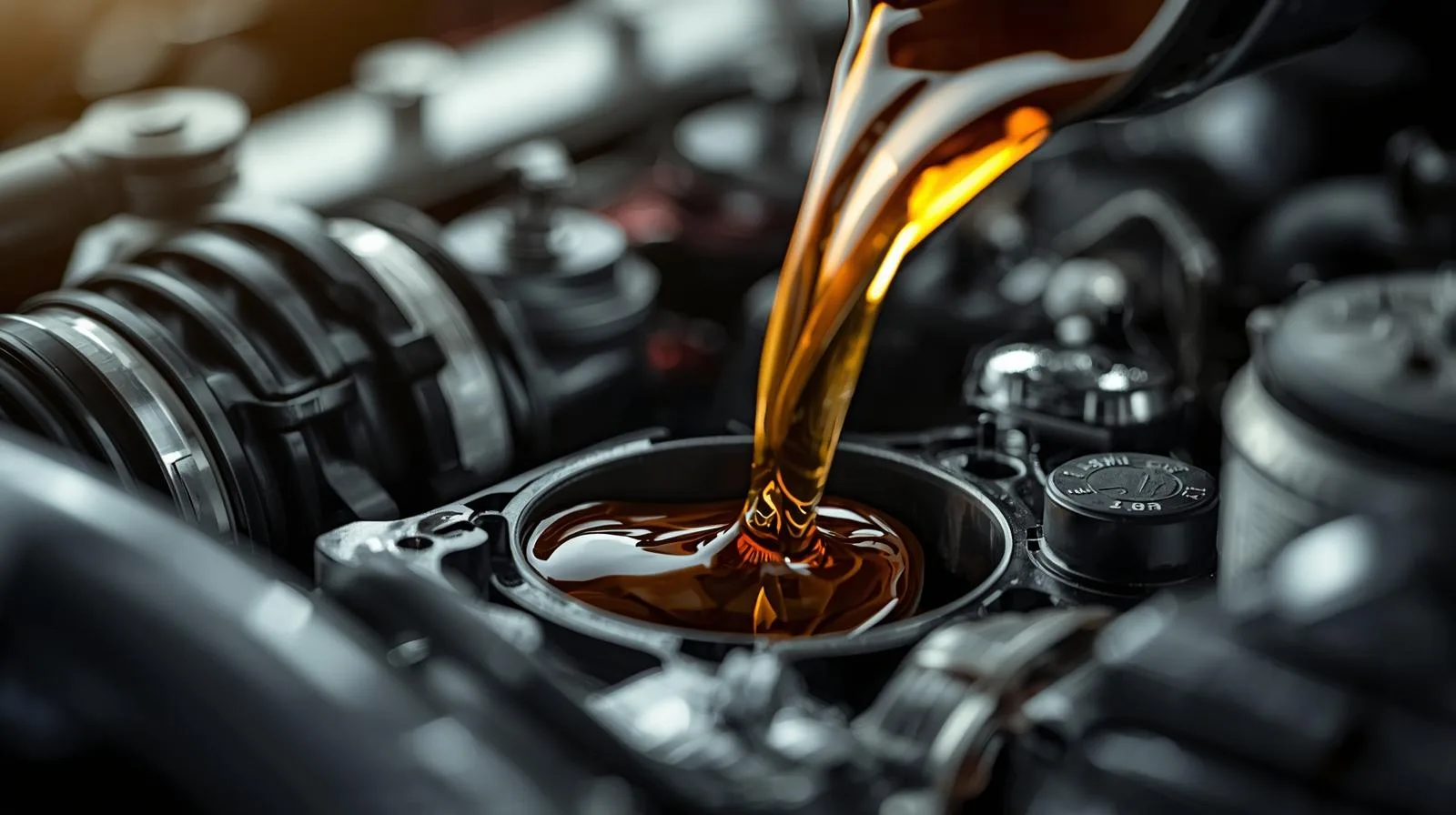
Engine Oil Analysis
Engine oils protect internal components by maintaining lubricity and preventing carbon buildup. Our lubricants and oils testing services evaluate critical performance markers like soot loading and oxidation, providing a verified baseline for high-performance programs in heavy engine systems across Texas.
Key Analysis Parameters
- Visual appearance & colorimetric evaluation for contamination
- Copper corrosion screening for metal protection verification
- Carbon residue and non-volatile matter technical checks
- Refractive index for chemical stability and blend monitoring
- Detection of basic water ingress and trace particulates
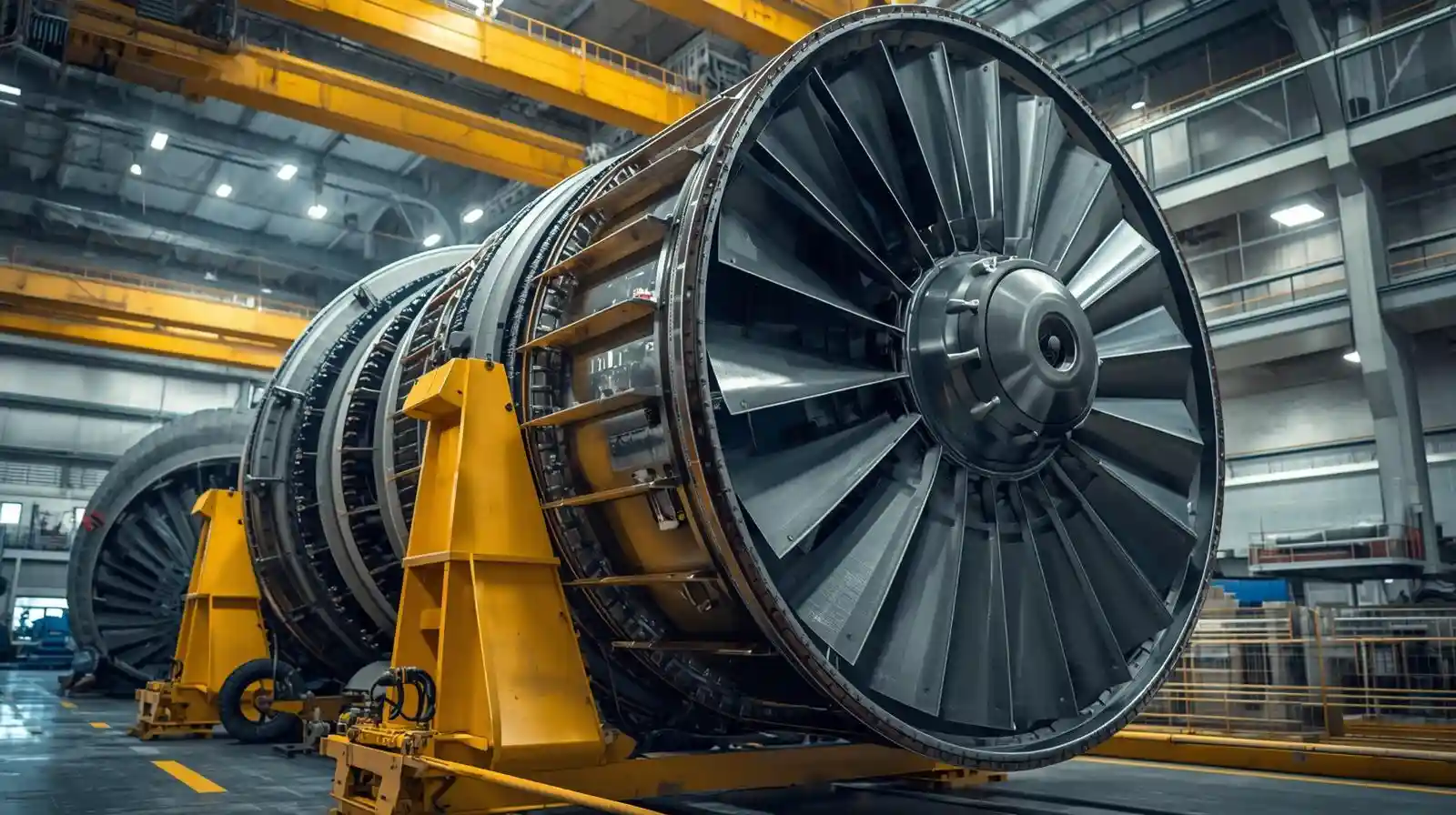
Turbine Oil Stability
High-speed turbine systems require specialized lubricants and oils testing services to avoid costly varnish formation. We deliver comprehensive technical evaluations focused on residue formation and color shifts, ensuring your technical data meets global energy production safety and performance standards.
Key Analysis Parameters
- Visual color assessment for technical oxidation indicators
- Copper strip corrosion for identifying corrosive sulfur species
- Non-volatile residue and technical carbon residue analysis
- Refractive index for formulation integrity and mixing detection
- Basic particulate and water level screening for system clarity
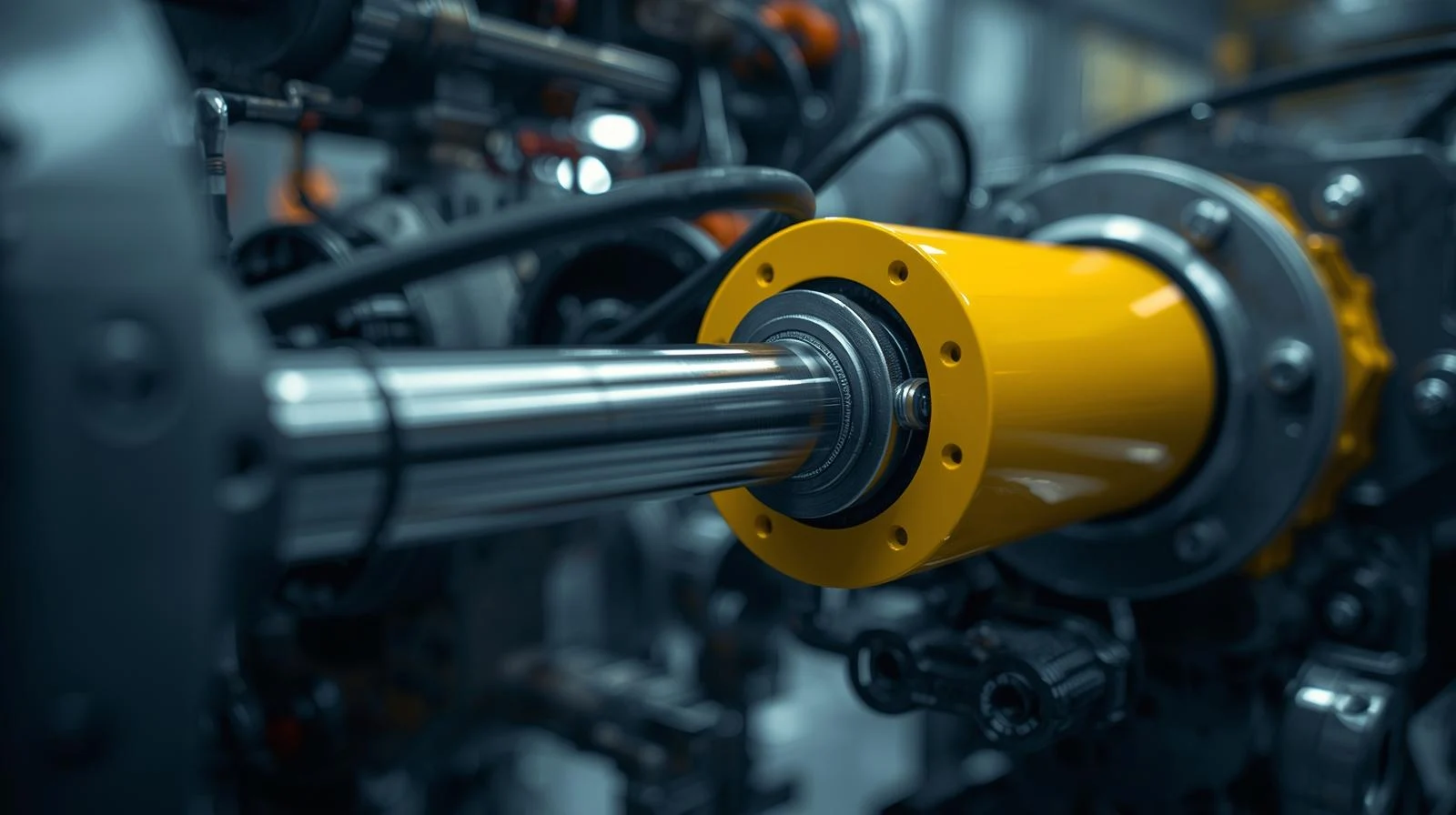
Hydraulic Fluid Check
Hydraulic actuators are sensitive to the smallest particulates. Our lubricants and oils testing services verify physical stability indicators critical for valve protection, ensuring your used oil analysis aligns with international technical cleanliness specifications.
Key Analysis Parameters
- Visual clarity & standardized color grading evaluation
- Copper corrosion testing for assessment of metal reactivity
- Refractive index for compositional consistency and purity checks
- Non-volatile material screening for sediment-forming residues
- Basic contaminant and water detection for system safety
Industrial Lubricants
Our Houston facility evaluates industrial grease and lubricants using accredited ASTM methods. These lubricants and oils testing services provide foundational data for product development and condition monitoring baseline trending across the US energy sector.
Analytical Procedures Include
- Visual and colorimetric quality grading assessments
- Copper corrosion for evaluating sulfur effects on metals
- Refractive index measurement for formulation verification
- Carbon residue determination for high-heat stability (ASTM D524)
- Non-volatile residue and solids determination after technical evaporation

Advanced Lab Instrumentation & Logistics
Powered by high-precision analyzers, our lubricants and oils testing services ensure total accuracy for industrial and power facilities.
Analytical Tech (ICP-OES)
We utilize advanced ICP-OES and automated viscometers to deliver lubricants and oils testing services data, including trace wear metal detection.
Houston Port Logistics
Strategically located near the US Gulf Coast, we offer specialized courier pickup for rapid lubricants and oils testing services sample intake.
Technical Calibration
All laboratory instrumentation is calibrated to NIST-traceable standards, providing a verified baseline for our analytical reports.
Technical Standards & Methodology
Appearance & Color
Accredited visual grading used as a primary indicator for oxidation and technical contamination in oil streams.
Copper Corrosion
Standardized methodology for identifying corrosive tendencies that impact mechanical system metals during operation.
Carbon Residue
Technical determination of deposit-forming tendencies in high-temperature engine and specialized industrial oils.
Refractive Index
High-precision technical screening for blend variations and verifying chemical ingredient integrity for lubricants and oils testing services.
Non-Volatile Matter
Determining the percentage of residues remaining after controlled technical evaporation to assess lubricants and oils testing services purity.
Water Indication
Assessing moisture presence which can lead to rapid lubricant degradation and component oxidation.
Why Choose Our Lubricants and Oils Testing Services
Accredited Accuracy
Our procedures are based strictly on ISO/IEC 17025–listed methods for verified, accurate data reports.
Condition Monitoring
We provide baseline panels and periodic trending to identify wear patterns through lubricants and oils testing services.
US Asset Protection
Clear reporting and fast turnaround designed to minimize downtime for technical industrial facilities.
Lubricants and Oils Testing Services Summary
Accredited lubricants and oils testing services are essential for maintaining equipment reliability in the US energy market. By applying certified technical methods focusing on appearance, corrosion, and residue—our Houston lab provides the dependable results required for used oil condition monitoring and lubricants and oils testing services verification.
Frequently Asked Questions: Lubricants and Oils Testing Services
Why is industrial lubricant analysis critical for maintenance?
How can used oil analysis detect internal engine wear?
What ASTM standards govern lubricants and oils testing services?
What is the minimum sample volume required for oil analysis?
Certify Your Oil Performance
Need reliable lubricants and oils testing services for your US operations? Contact our technical experts in Houston today for a custom quote or sample submission guide.
Contact Technical Specialist