
Petrochemical Feedstock Analysis & Naphtha Fraction Compliance Testing
AGT Labs provides professional Naphtha Testing to characterize light naphtha, heavy naphtha, and full-range naphtha streams for refinery operations, petrochemical feedstock qualification, and solvent-grade product certification. Our Houston facility specializes in accredited detailed hydrocarbon composition (ASTM D8150), sulfur speciation (ASTM D5623), density, corrosion, color, and acidity to ensure your naphtha meets downstream processing and commercial specification requirements.
Our analytical services support refineries, petrochemical crackers, and solvent formulators with precise analytical data. Whether qualifying reformer feed naphtha for catalytic processing, verifying the purity of industrial-grade solvent naphtha, or assessing the aromatic content of a blending stream, we provide the critical characterization needed to optimize yield, protect catalyst systems, and ensure product specification compliance.
Key Technical Parameters
Accredited analysis supporting our technical testing suite for refinery, petrochemical, and solvent-grade naphtha compliance.
Detailed Hydrocarbon Analysis (GC)
ASTM D8150Sulfur Compounds (GC-PFPD)
ASTM D5623Copper Strip Corrosion
ASTM D130Density & API Gravity
ASTM D5002Color (Pt-Co Scale)
ASTM D1209Refractive Index
ASTM D1218Gum Content
ASTM D381Acidity
ASTM D1613Nonvolatile Matter
ASTM D1353Odor
ASTM D1296Industries We Serve
Delivering specialized naphtha fraction analysis and petrochemical feedstock data across refining and downstream processing utilizing our specialized analytical services.
Catalytic Reforming Units
Qualifying reformer feed naphtha for detailed hydrocarbon composition and sulfur compounds to protect platinum catalyst systems and optimize yield.
Steam Cracker Operators
Providing detailed naphtha feedstock characterization to optimize ethylene yield and verify paraffinic content for cracking efficiency.
Refinery Blending Units
Accredited quality control for gasoline blending component verification and compositional compliance for final product release.
Solvent Manufacturers
Certifying industrial solvent naphtha purity, aromatic content thresholds, and acidity compliance for commercial and regulatory requirements.
Petrochemical Traders
Providing independent third-party naphtha quality verification and cargo sampling support for international trade and letter of credit compliance.
Terminals & Storage
Monitoring naphtha product integrity during inter-tank transfers and protecting against contamination and specification drift in long-term storage.
Laboratory Capabilities
Analytical Systems
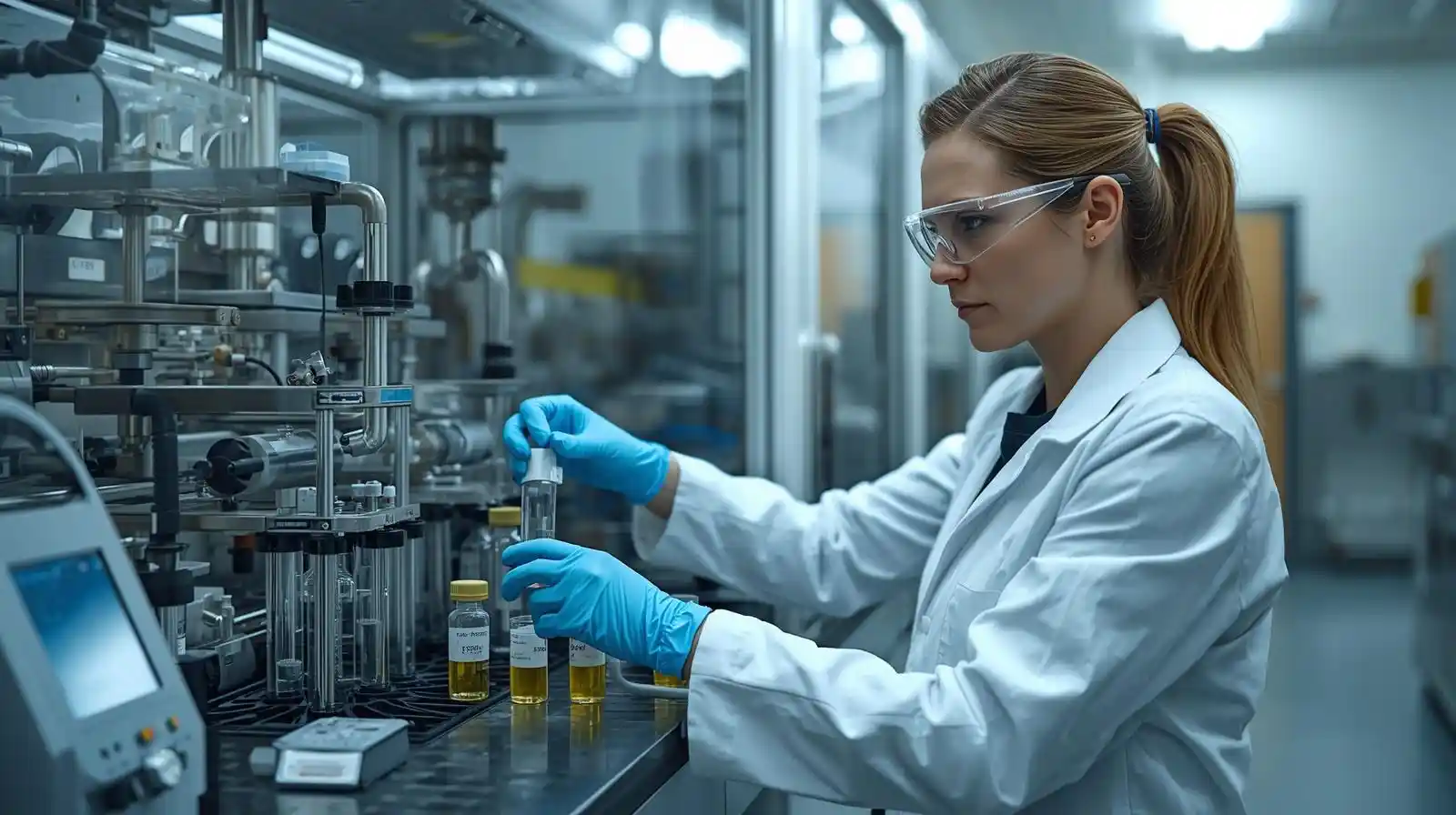
Our Naphtha Testing utilizes high-resolution gas chromatography for accredited ASTM D8150 detailed hydrocarbon analysis, PFPD for ASTM D5623 sulfur speciation, and digital density meters. We are equipped to handle a comprehensive suite of PJLA accredited physical and chemical characterizations across wide naphtha boiling ranges.
Advanced Technical Support
- ISO/IEC 17025:2017 Accredited Laboratory Operations
- Rapid Turnaround for Refinery and Port Logistics Readiness
- Full-Range, Light & Heavy Naphtha Fraction Differentiation
- Trace Sulfur Compound Speciation (ASTM D5623)
Sampling, Handling & Chain of Custody
Reliable Naphtha Testing depends on contamination-free sampling to prevent inaccurate hydrocarbon compositional results and trace sulfur anomalies. We provide specialized sampling containers with nitrogen-blanketed caps and completed CoC documentation to preserve the volatile naphtha fraction integrity from source to laboratory.
Download Chain of Custody FormContainers & Handling
- Use only clean, sealed glass or stainless steel containers to prevent light-end naphtha evaporation loss.
- Minimize headspace and seal immediately after sampling to preserve light components.
- Flush sample lines thoroughly to ensure the collected fraction is representative of the bulk naphtha stream.
Transport & Logistics
- Record sampling temperature, pressure, and stream identification to support composition and density correlation.
- Expedited chilled shipping to our Houston laboratory for volatile light naphtha fractions.
- Samples stored in a temperature-controlled environment per flammable material handling and technical safety compliance standards.
Quality & Reporting
Reports from our laboratory testing provide precise technical clarity for refinery feedstock qualification, petrochemical specification compliance, and commercial product certification.
- Results issued under ISO/IEC 17025:2017 accreditation (PJLA Cert. L25-276) — fully traceable and defensible for custody transfer.
- COA with full method references, results, and certified authorized signatory.
- Secure PDF Delivery via automated client technical portal.
- Consultation for out-of-spec sulfur, corrosion, or hydrocarbon composition anomalies.
Frequently Asked Questions
What does ASTM D8150 measure in naphtha?
Why is trace sulfur speciation important for naphtha reformer feeds?
How quickly can I receive naphtha testing results?
Can you test both light naphtha and heavy naphtha fractions?
Which naphtha tests are performed under your ISO/IEC 17025 accreditation?
Certify Your Naphtha Quality with Accredited Testing Services
Need reliable accredited Naphtha Testing for Houston refinery or petrochemical operations? Contact our Houston technical team today for a custom naphtha analysis quote.
Contact Technical Specialist